AI · Data · Engineering · Learning

Hi, I’m Oliver.
I turn technology into learning.

Data scientist, technology practitioner and educator building a path toward hands-on STEAM learning — where AI, data, engineering and real-world problems become things students can understand, test and create.

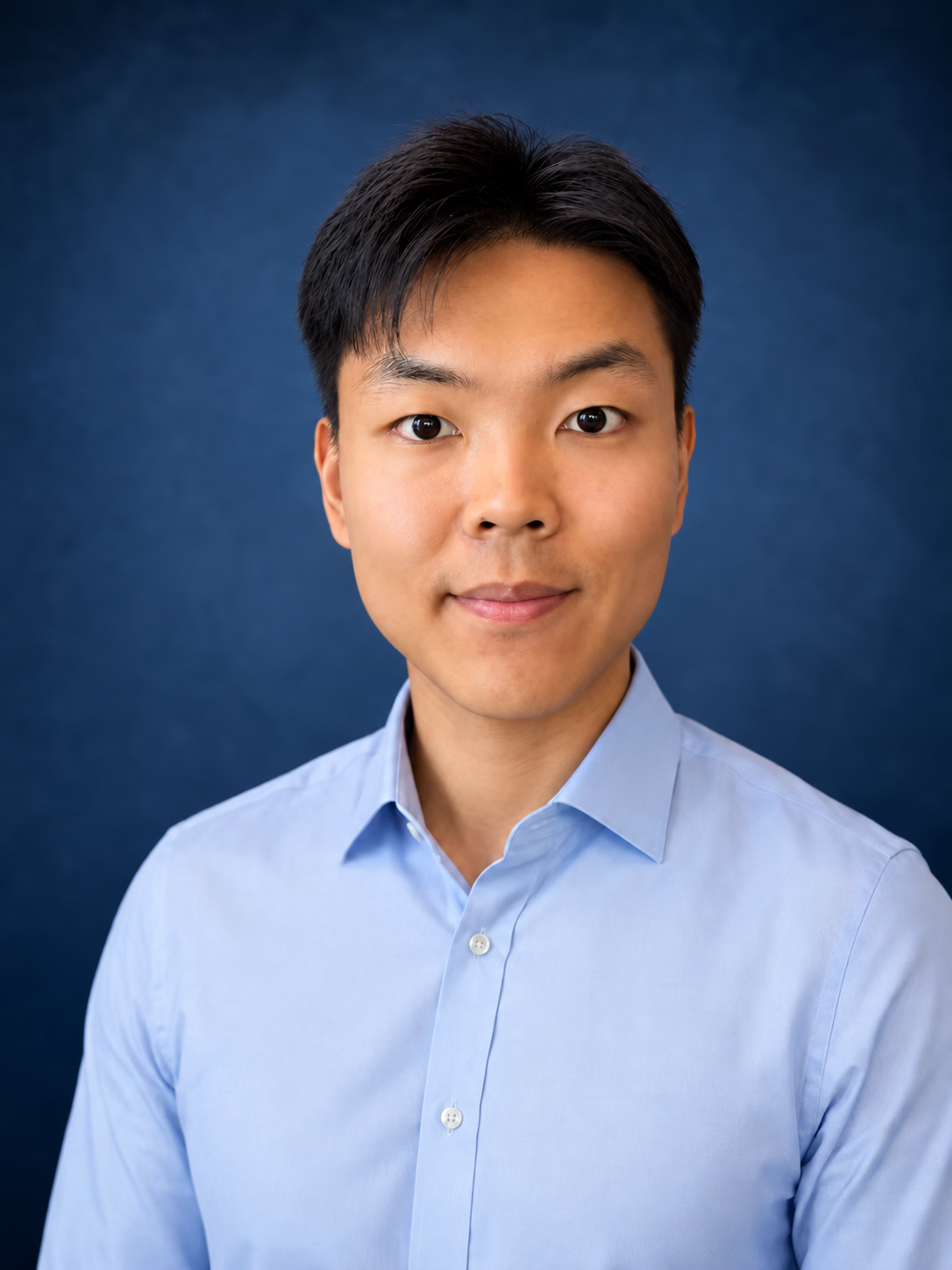
Portrait of Oliver
Scroll to explore
23 pts
Math score improvement through targeted tutoring
300+
Student applications reviewed at HKUST(GZ) challenge camp
100+
Core business metrics aligned in a cross-functional data system
3 lenses
Teaching, technology and data brought together

About

One background.
Three useful lenses.

I do not see teaching, data and technology as separate identities. They are different ways of doing the same thing: breaking down complexity, testing ideas with evidence and helping people build a clearer mental model of how the world works.

I teach by making difficult ideas visible, testable and connected to problems students can actually care about.

Experience across mathematics tutoring, challenge-camp coaching, student-facing communication and volunteer teaching.

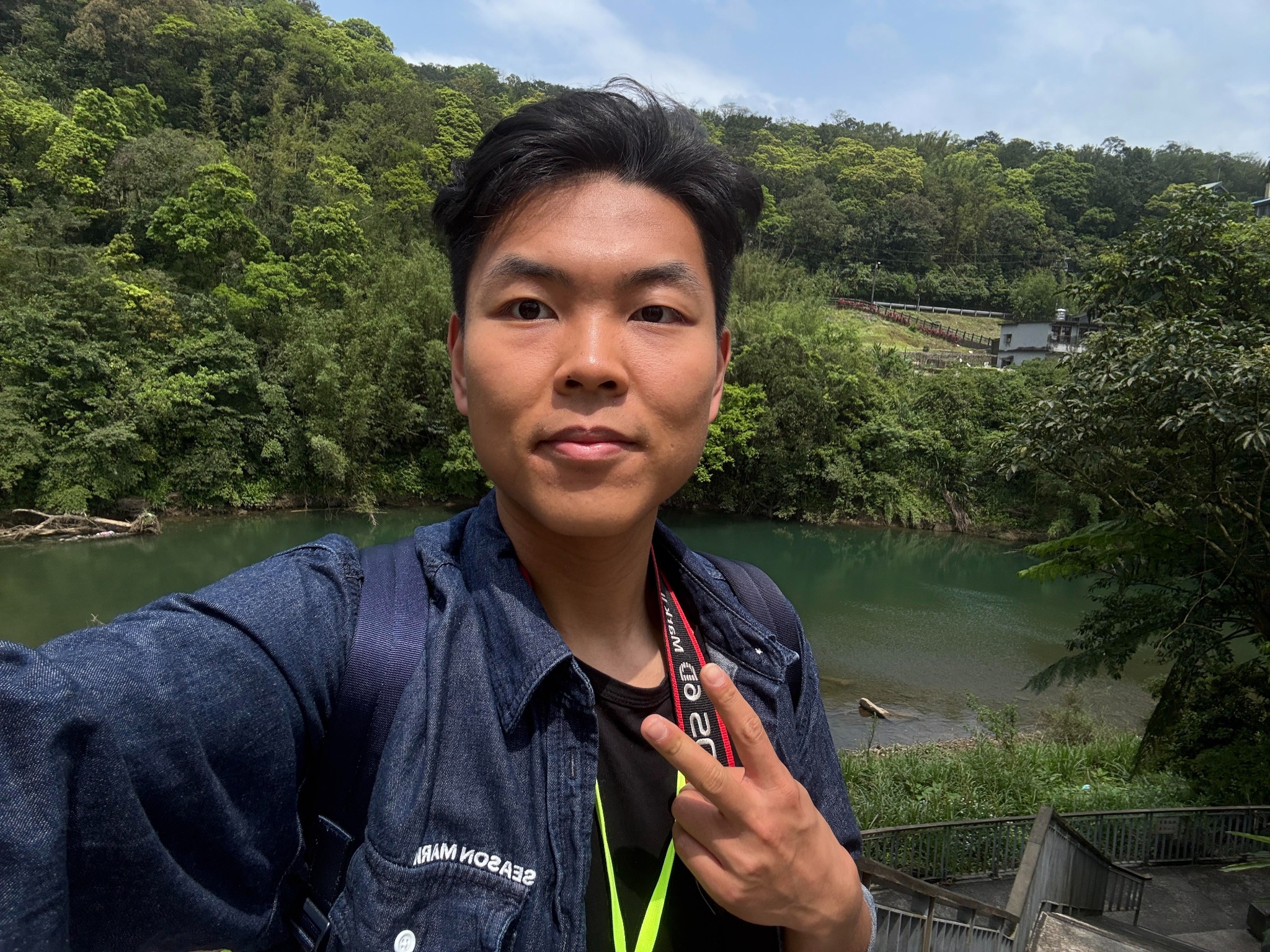
Oliver outdoors near a lake

Curious by nature.

Outside work and study, I enjoy exploring new places, observing how environments shape experience and staying active. That same curiosity shows up in how I think about teaching: students learn better when learning feels like discovery, not only instruction.

My direction

Why this transition
makes sense.

I am not moving away from my previous experience. I am bringing it forward into a more student-facing direction — combining data thinking, technology practice and real teaching experience into a coherent STEAM path.

01 · Foundation

Data and AI as core tools

My professional background gives me a strong base in analysis, product thinking, experimentation and AI-enabled workflows. These are tools I want students to understand in practical, age-appropriate ways.

What it means: evidence, structure and real-world problem solving.
02 · Practice

Teaching that starts with people

Through volunteer teaching, tutoring, discussion and coaching, I have learned that good teaching begins with attention, trust and clear communication — not just with content.

What it means: warmth, adaptability and student engagement.
03 · Direction

Hands-on STEAM learning

The direction I want to keep building is project-based, student-facing and grounded in real making: AI, data, engineering, design and reflection working together around meaningful problems.

What it means: from knowing to building.

Education

The academic roots behind
my work.

My formal training combines quantitative analysis, interdisciplinary policy study and strong campus-community experience. These two schools shaped both how I think and how I relate to people.

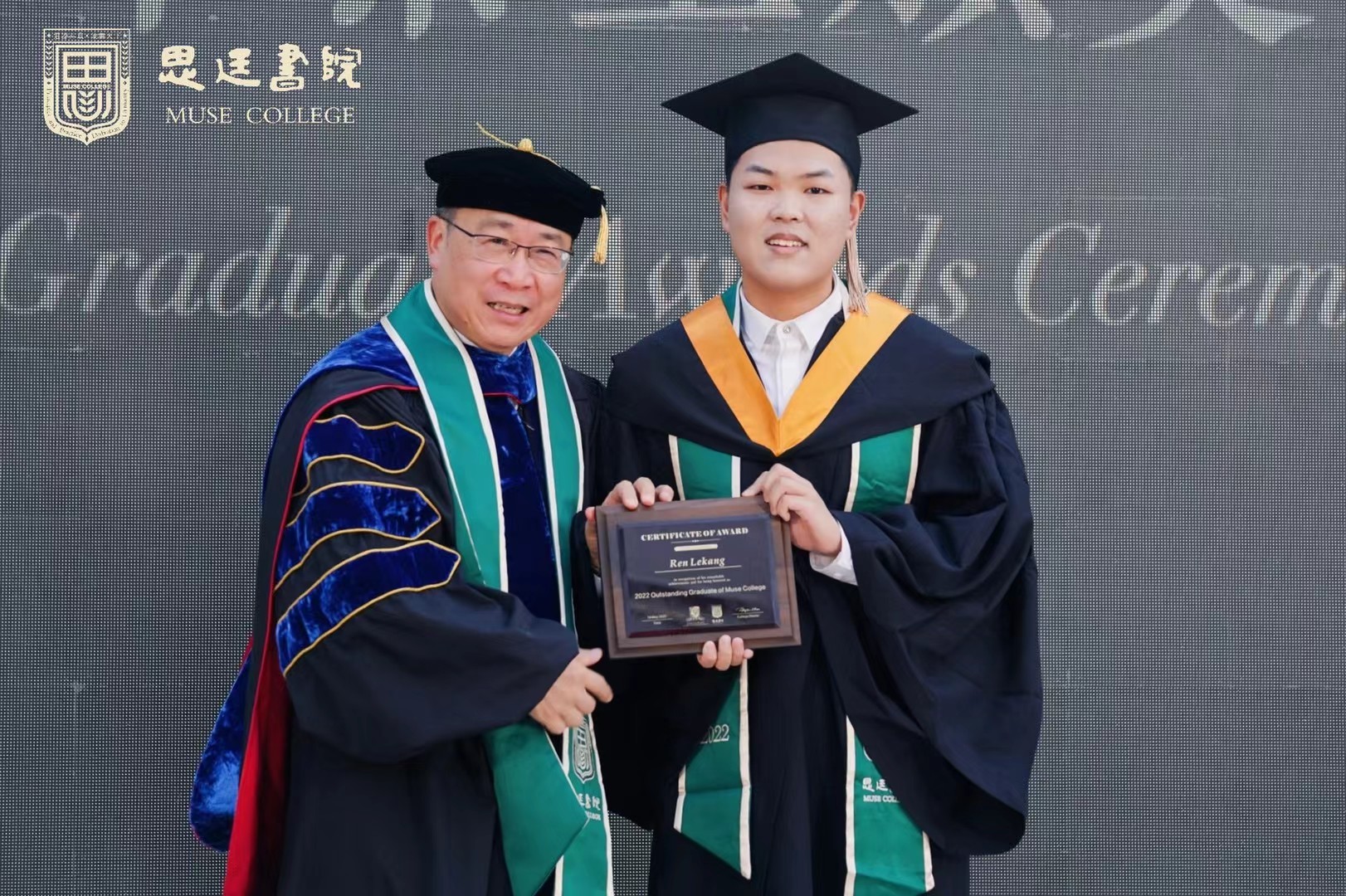
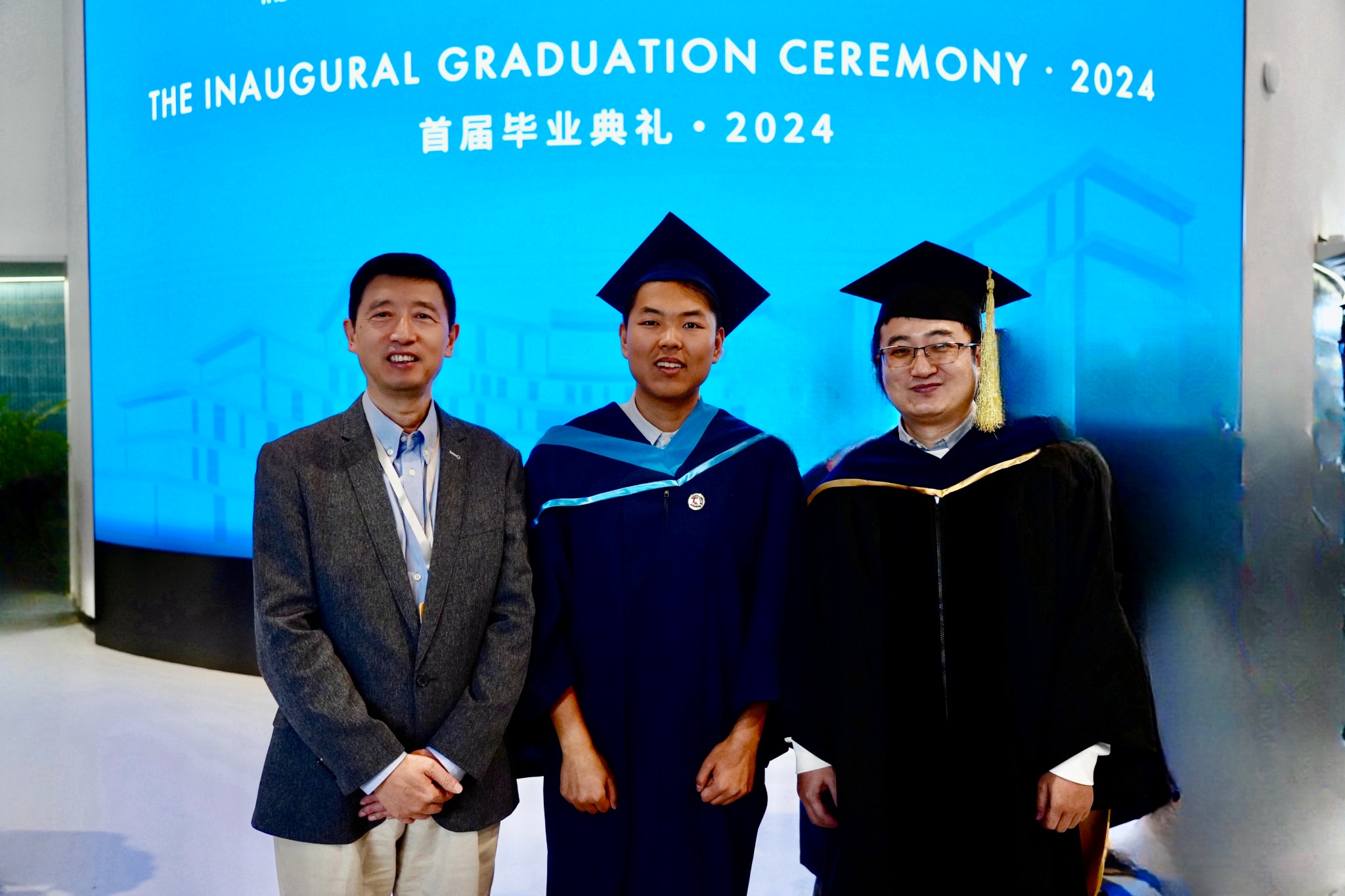
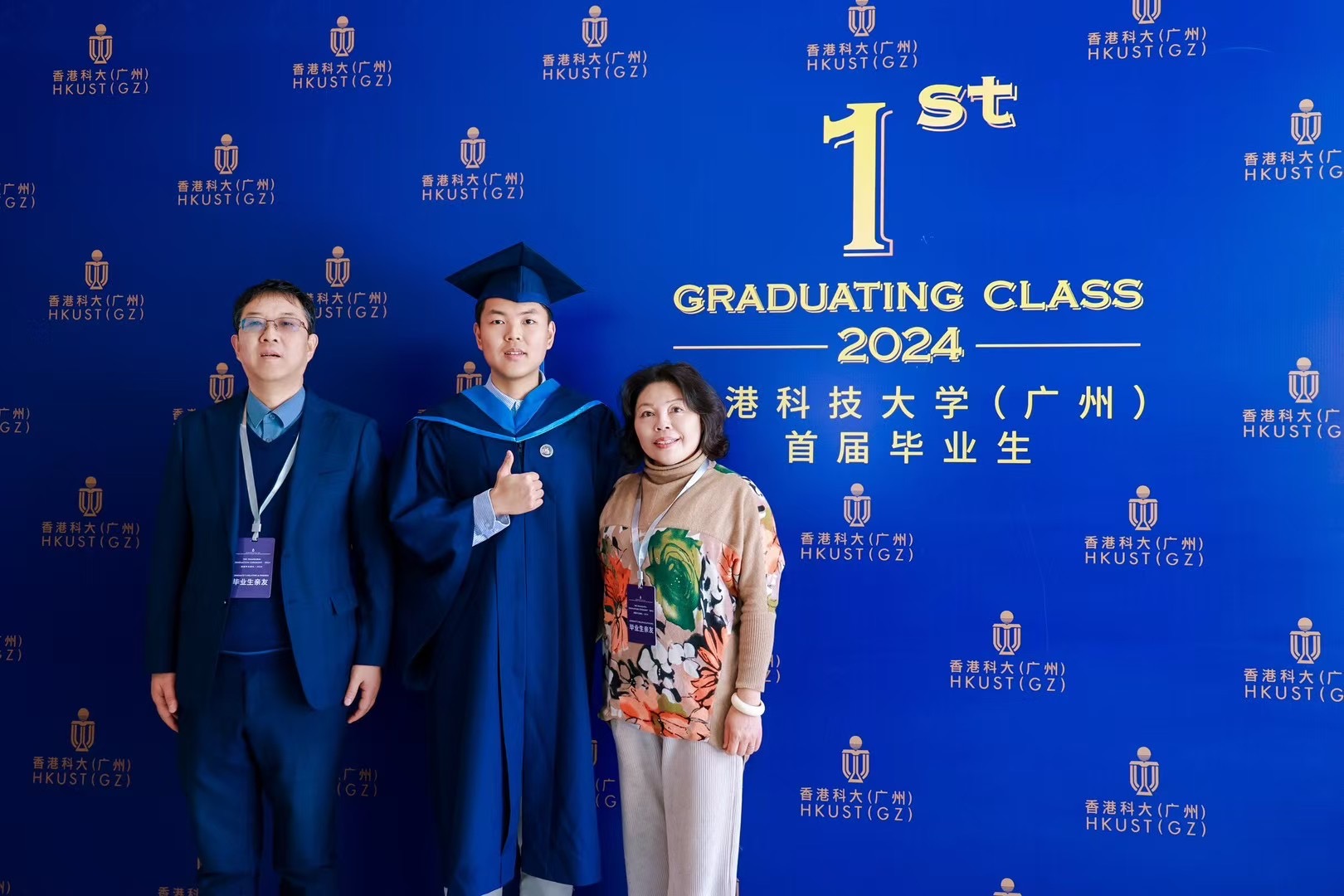
Oliver at HKUST Guangzhou graduation

MPhil · Innovation, Entrepreneurship and Public Policy

The Hong Kong University of Science and Technolog, Society Hub

Interdisciplinary graduate study connecting public policy, innovation, quantitative analysis and technology. This stage deepened my interest in turning research and systems thinking into practical learning experiences.

Oliver at CUHK Shenzhen related graduation event

BSc · Financial Statistics

The Chinese University of Hong Kong, School of Data Science

An undergraduate foundation in probability, statistics and quantitative modelling, enriched by residential-college life and student leadership experience. It was also where my interest in combining data with people-centred work became much clearer.

Teaching

Learning should move
from knowing to building.

My teaching experience spans volunteer teaching, mathematics tutoring, coaching and project-based student selection. I focus on making students feel engaged first, then building understanding step by step through feedback, practice and reflection.

01 · Volunteer Teaching

Rural Education Support

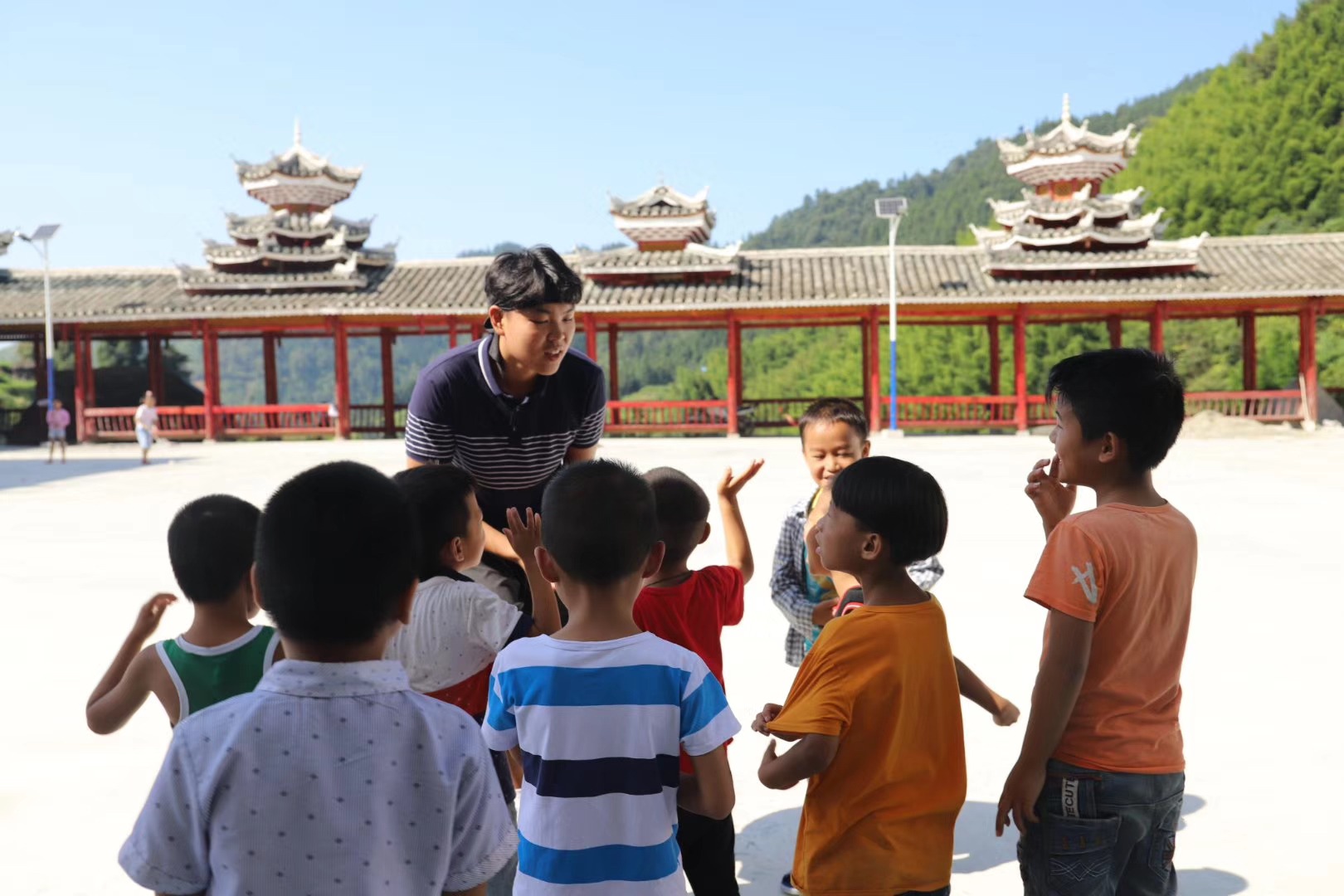
Led small-group interactions with children through reading, conversation, picture-card activities and outdoor games, focusing on participation, confidence and warmth in the learning experience.

What it shows: patience, communication, child engagement and adapting teaching to real students.
02 · Mathematics

Middle School Tutoring

One-to-one mathematics teaching across algebra, geometry and functions, using error analysis, targeted exercises, formative assessment and transfer practice.

Outcome: one student improved from 31/100 to 54/100.
03 · Coaching

HKUST(GZ) Challenge Camp

Reviewed student applications, supported on-site selection and coached shortlisted students on structured communication, presentation and interview responses.

Scale: ~300 applications reviewed; 20 shortlisted candidates supported.
Oliver engaging a group of children outdoors during volunteer teaching
Volunteer Teaching Interface

Human warmth, structured learning, real student energy.

The classroom I want to build is not only about delivering knowledge. It is about noticing attention, adapting in the moment and designing learning that students can feel, remember and act on.

Read Storytelling and language exposure through shared materials and guided conversation.
Play Games and movement that keep attention high and make learning feel alive.
Respond Observe students, adjust pace and turn participation into understanding.
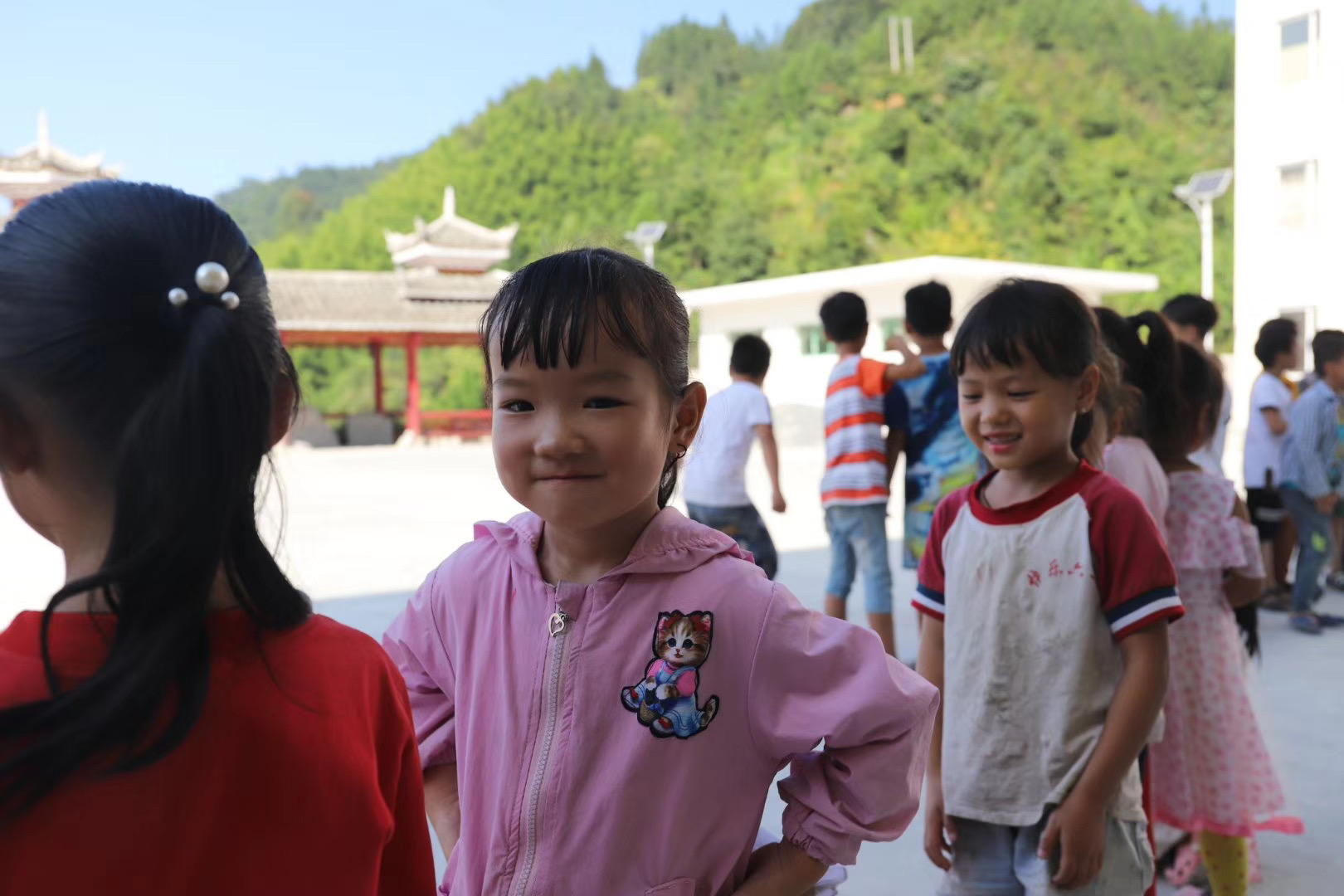
Children gathering together during volunteer teaching activities
Micro-moment 01 · Student Presence Close interaction helps students feel seen, safe and ready to engage.
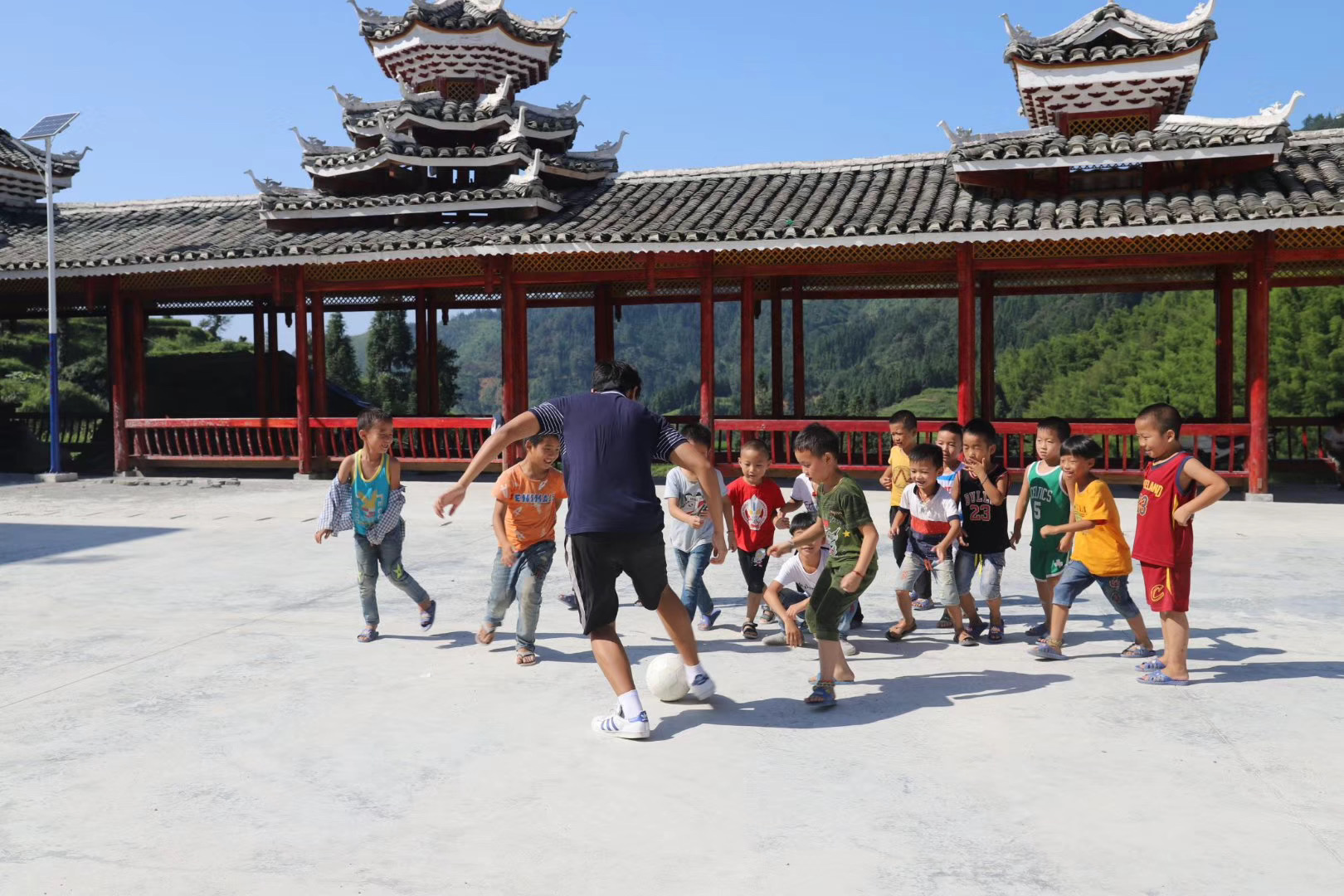
Outdoor activity with children during volunteer teaching
Micro-moment 02 · Movement Matters Outdoor interaction creates trust, participation and social energy.

My teaching loop

Simple · Repeatable
Observe Read student reactions and identify what they are really responding to.
Engage Use questions, visuals, play or examples to bring them into the task.
Reflect Turn the activity into a clear takeaway students can carry forward.
Discussion & Coaching

Some of the most valuable teaching happens in conversation.

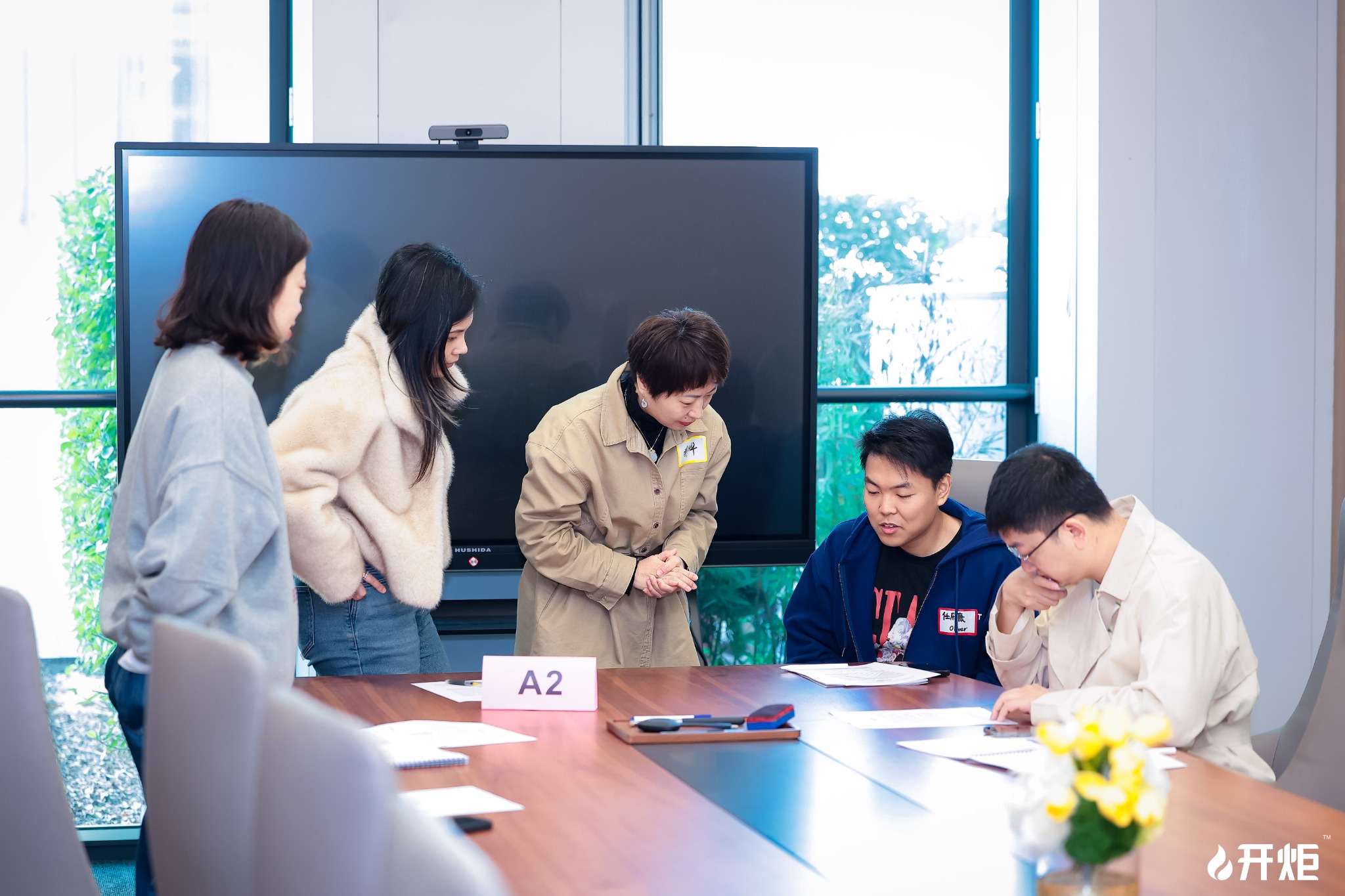
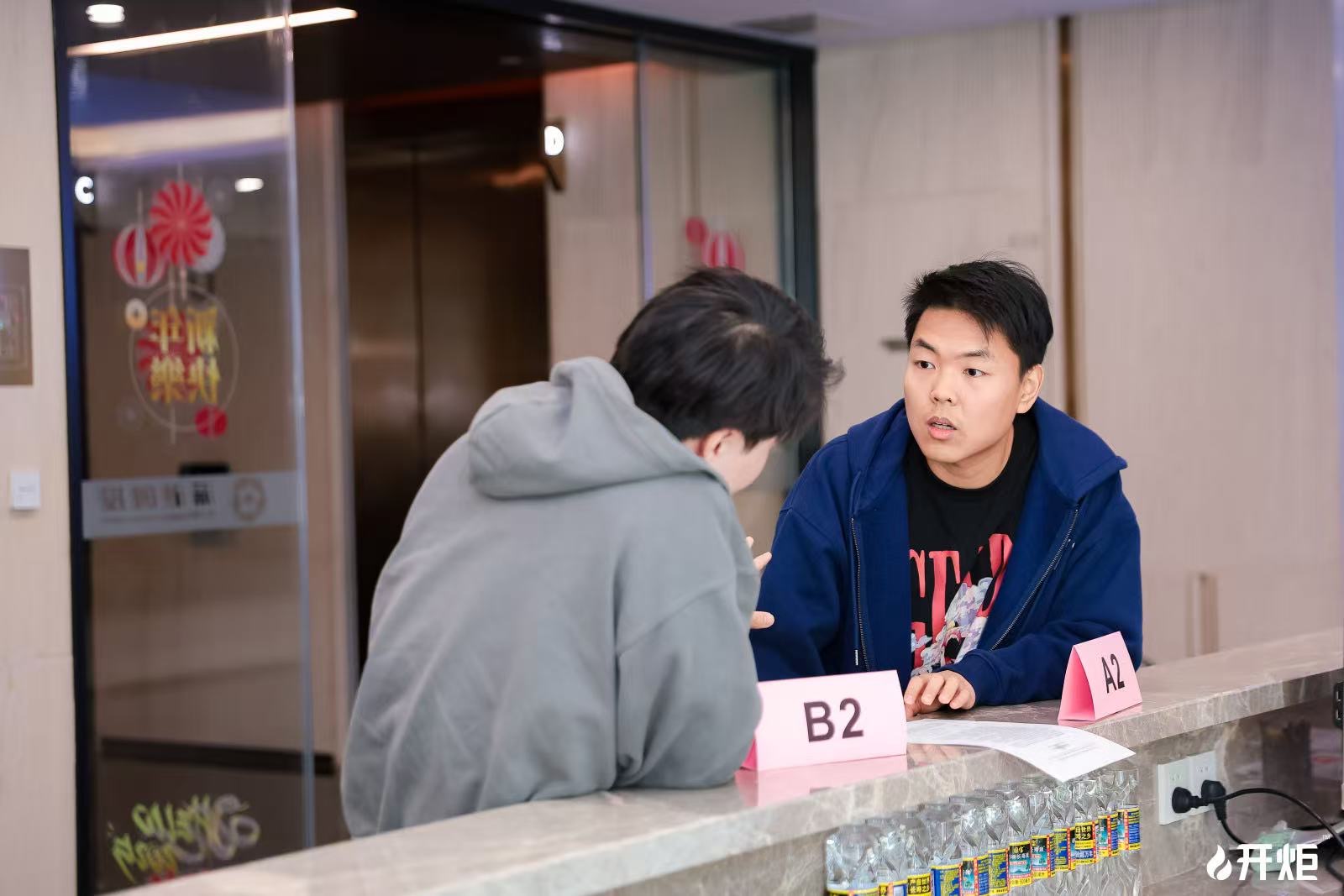
Besides volunteer teaching, I have also worked in selection, discussion and coaching settings that rely on attentive listening, clear questioning and structured feedback. These moments matter because teaching is not only content delivery — it is also helping people express their thinking more clearly.

ReviewRead and assess student materials carefully.
DiscussGuide students through questions, clarification and reflection.
CoachTurn feedback into clearer communication and stronger confidence.

Industry

Real technology.
Real constraints.

STEAM becomes more meaningful when students can see how ideas are used outside the classroom. My industry work gives me concrete examples of experimentation, AI, analytics, systems thinking and cross-functional problem solving.

Analyse product usage and user behaviour for the 360-camera line, and contribute to AI-enabled natural-language data querying. The work combines data interpretation, product thinking and applied AI in a physical consumer-technology context.

What this brings to STEAM: physical products, sensors, user behaviour, AI tools and evidence-based iteration.

Built metric frameworks and BI systems, designed funnel analyses and A/B evaluations, conducted user segmentation and contributed to AI assistant measurement and recommendation. One product optimisation stream improved a key conversion stage and supported measurable business growth.

What this brings to STEAM: experimentation, data literacy, AI systems, product design and multidisciplinary collaboration.

Supported data-platform performance governance, including optimisation of high-frequency query models and the codification of reusable SQL execution-plan diagnostic rules.

What this brings to STEAM: systems thinking, performance trade-offs and turning technical patterns into reusable methods.

Studied monetisation scale, first-purchase activation, repurchase behaviour and high-value user segments, using multi-dimensional analysis to understand how product behaviour connects to commercial outcomes.

What this brings to STEAM: human behaviour, consumer products and using data to test assumptions.

The Lab

Where the next chapter
gets built.

Oliver STEAM Lab is not meant to be only a portfolio. It is a place to document experiments, classroom ideas and small interactive projects as they evolve.

In development · STEAM curriculum

Mission: AI Sky Rescue

A project-based learning concept around low-altitude technology, AI perception and robotics — designed to move students from a real-world mission to research, prototyping, testing and reflection.

Coming next

Interactive Playground

Small browser-based experiments in data, AI and engineering. This section will become the interactive layer of the site as new teaching projects are built.

Ideas & Notes

Thoughts I want to bring
into the classroom.

Some of the concepts on this site come directly from lesson planning, mentoring conversations and my own ongoing thinking about how data, AI and STEAM should be taught.

From STEM to STEAM

Real problems first.

Good STEAM learning is not four or five disconnected subjects placed side by side. It begins with a real problem that needs science, technology, engineering, mathematics and design thinking to work together.

Engineering design

Identify → Research → Imagine → Build → Test → Improve

I like using simple, visible design loops so students can experience iteration instead of treating wrong answers as failure.

Data literacy

Data is a language for better questions.

I want students to see data not as a spreadsheet exercise, but as a way to notice patterns, test assumptions and justify decisions with evidence.

Project concept

Mission: AI Sky Rescue

A low-altitude rescue project that connects embodied AI, computer vision, hardware-software integration and structured reflection — moving students from curiosity into building.

Toolkit

Skills I can bring
into the classroom.

Python SQL Data Visualisation A/B Testing User Research Statistics Machine Learning AI Tools Product Thinking Mathematical Modelling STEAM Activity Design Middle School Mathematics English-medium Instruction Project Management · PMP

Teaching philosophy

Understand.
Build. Reflect.

01

Understand

Start with a strong mental model. Break complexity into visible, testable ideas before adding tools or terminology.

02

Build

Turn knowledge into action through code, data, prototypes, experiments and real constraints.

03

Reflect

Use evidence, feedback and iteration so students can explain not only what worked, but why it worked.

Selected moments

A fuller picture of
who I am.

Beyond formal titles, these moments show the settings that matter to me most: education, campus life, movement, exploration and building real connection with people.

Oliver at a graduation moment

Graduation moment

A graduation milestone that marks both growth and the confidence to connect technology with people and learning.

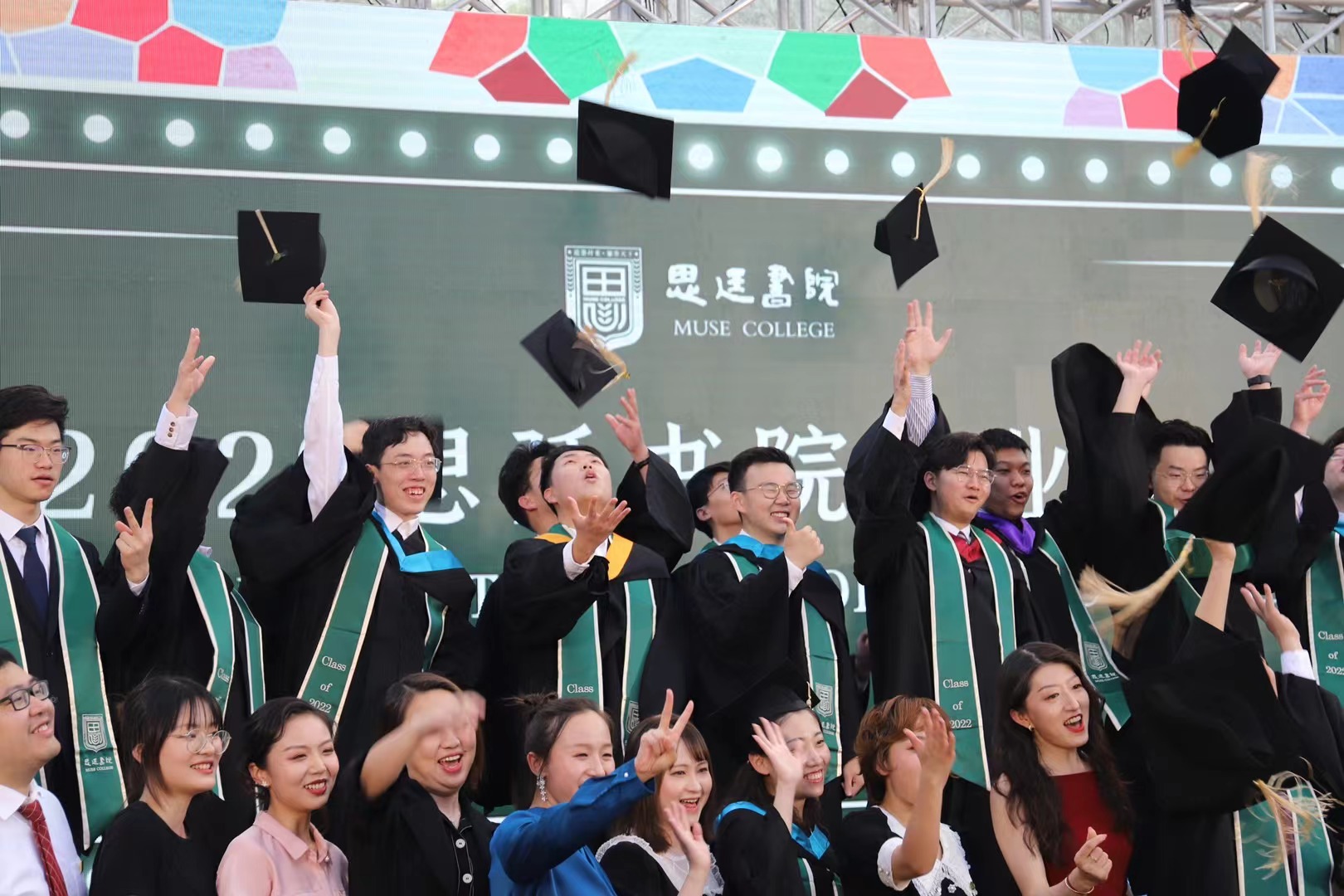
Group graduation moment at Muse College

College community

My undergraduate years were shaped not only by coursework, but also by the people and communities around me.

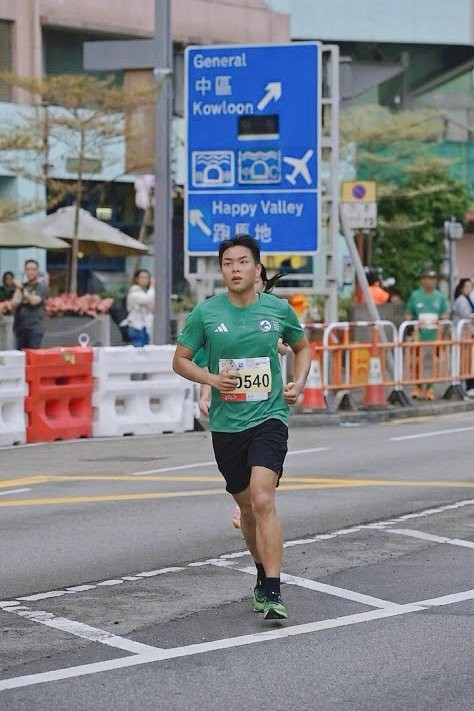
Oliver running in a race

Persistence

Running reminds me that growth is built through rhythm, resilience and steady progress — values I also bring into education.

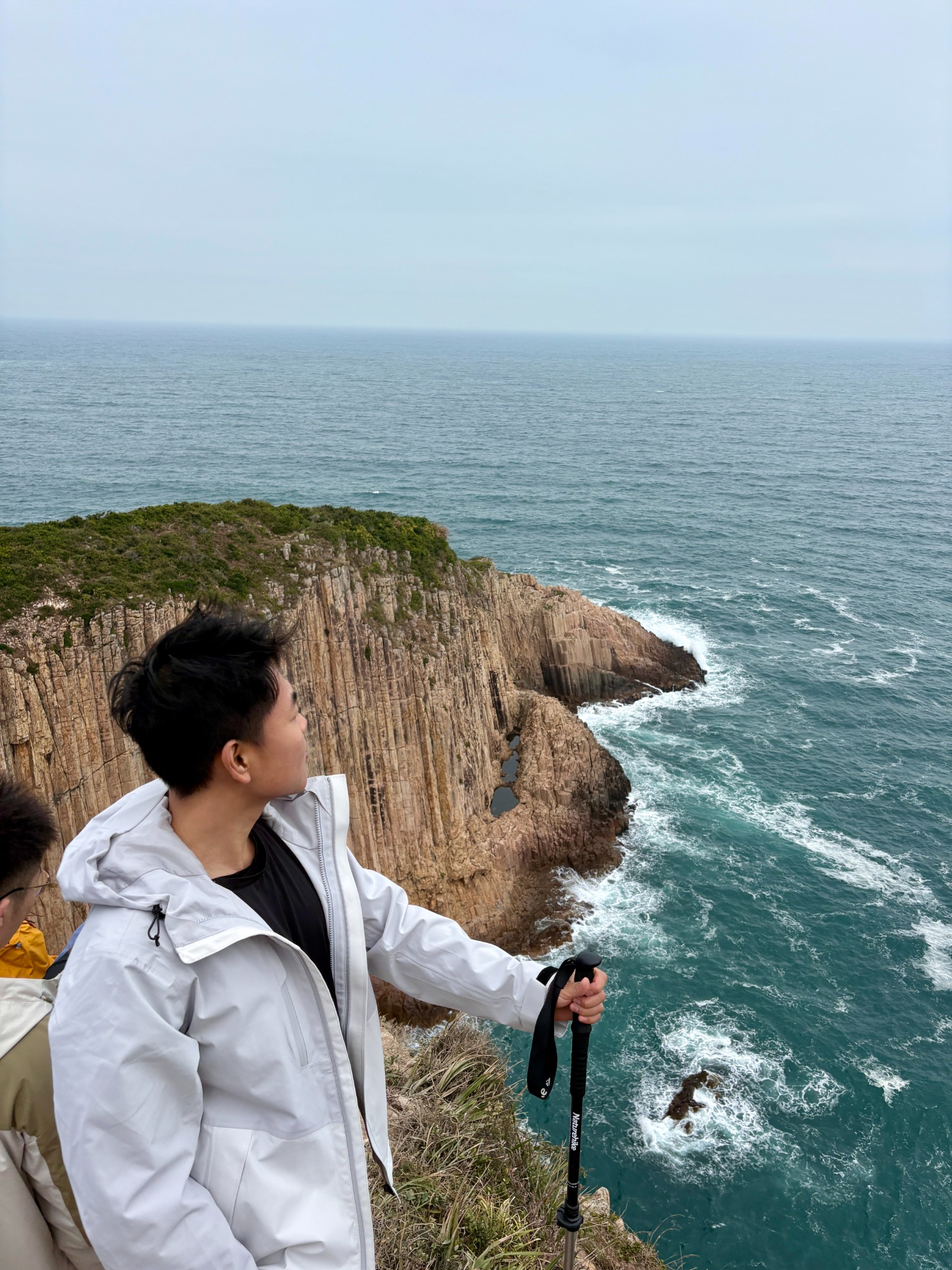
Oliver looking out over a cliffside ocean view

Exploration

I like being close to places that make you think bigger — a feeling I hope learning can also create.

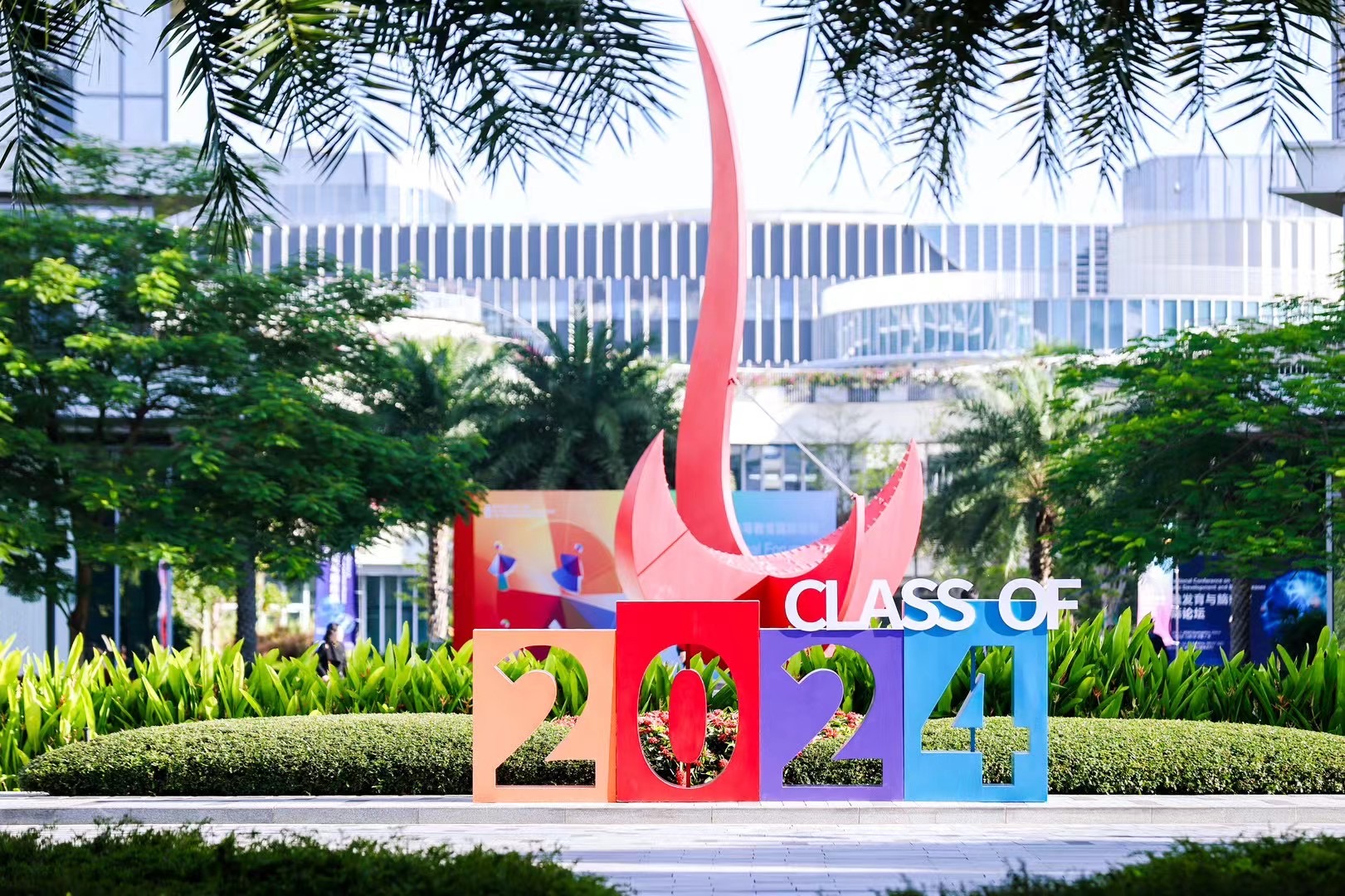
Red campus sculpture and class of 2024 installation at HKUST Guangzhou

Campus memory · The red bird

A campus image I really like — dynamic, optimistic and a good visual metaphor for the next chapter taking flight.

Let’s build better learning experiences.

I am developing Oliver STEAM Lab as a long-term home for teaching ideas, technology projects and hands-on learning experiments.